
Most brands treat custom merch as an expense. The smart ones treat it as an asset.
Every year, businesses across the country write a check for custom merch and file it under "marketing spend." The shirts get made, the boxes arrive, and somewhere between the supply closet and the next company event, the whole investment quietly disappears. No tracking. No follow-up. No measurable return.
Then they do it again next year.
At K2K Studios, we believe this is the wrong way to think about branded merchandise entirely. Because when it's done right — right quality, right items, right strategy — merch doesn't just cost you money. It makes you money. It builds relationships, generates impressions, drives retention, and creates the kind of brand presence that paid advertising struggles to replicate.
The question isn't whether to invest in merch. It's whether you're investing in merch that actually works.
The Problem With Treating Merch as an Expense
When something is categorized as an expense, the goal becomes minimizing it. Spend less, order cheaper, get more units for the dollar. This logic sounds reasonable until you follow it to its conclusion: a warehouse full of scratchy polos nobody wants to wear and tote bags headed straight for the landfill.
Expense-minded merch optimizes for cost-per-unit. Asset-minded merch optimizes for cost-per-impression — how much you're actually paying for each time a real human sees and connects with your brand.
A $6 promotional item that gets used twice and thrown away has an astronomical cost-per-impression. A $38 retail-quality hoodie that someone wears twice a week for two years generates thousands of real-world brand impressions at a fraction of a cent each. Do the math and the "cheap" option is almost never actually cheap.
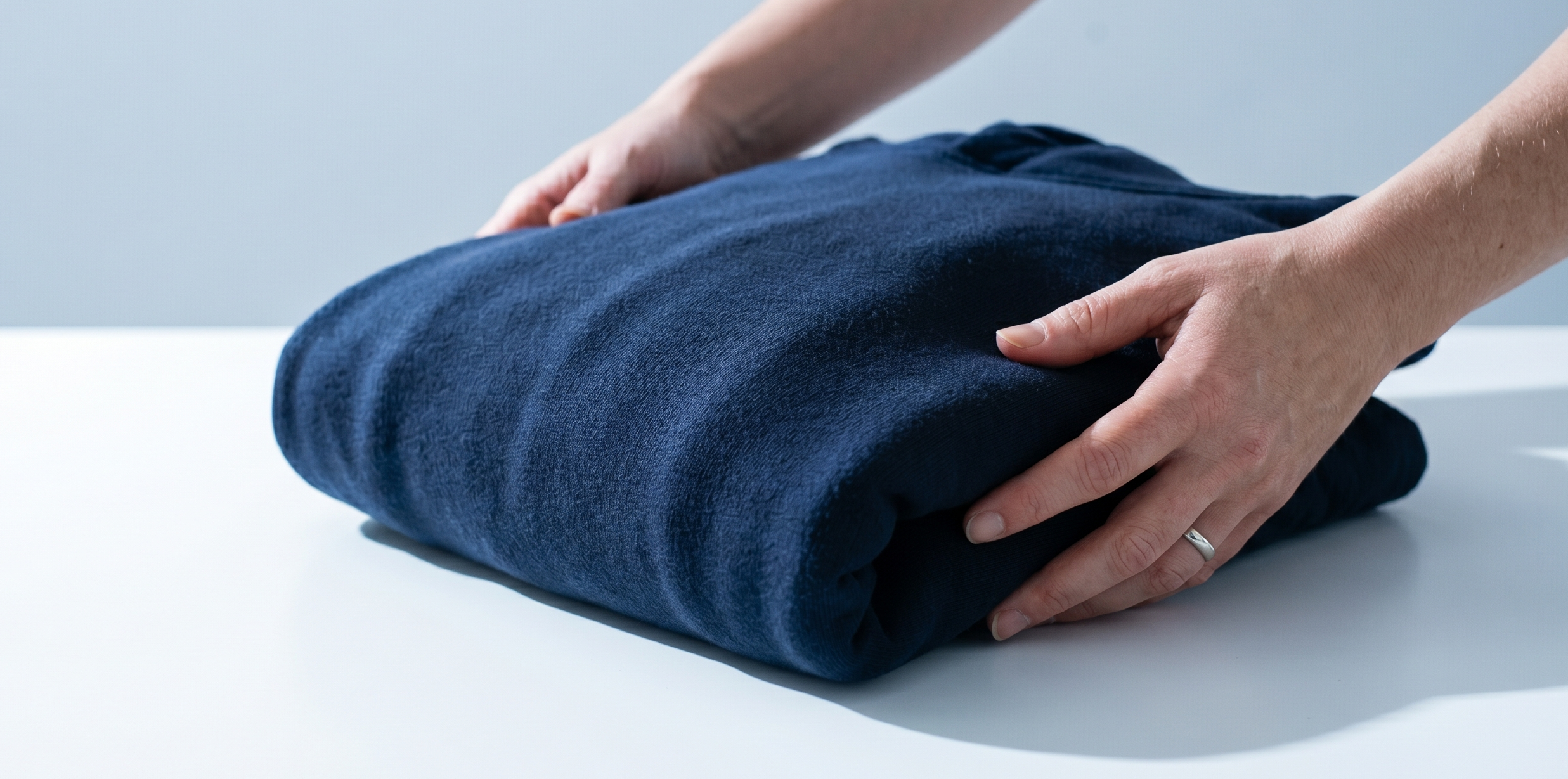
What Makes Merch a Revenue-Generating Asset
The shift from expense to asset happens when your merch meets three criteria.
It has to be good enough to actually get used. This sounds obvious. It isn't, based on the volume of bad merch produced every year. Retail-grade quality — soft fabrics, precise decoration, a fit people actually want to wear — is the baseline requirement for merch that generates impressions. If it doesn't get worn, it doesn't work. Full stop.
It has to serve a real strategic purpose. The best merch investments are tied to a specific goal. Onboarding kits that accelerate new hire culture buy-in. Executive gifts that advance client relationships. Event merch that keeps your brand present long after the conference ends. When merch has a job to do, it's much easier to measure whether it's doing it.
It has to reflect your brand at its best. Every piece of merch is a brand ambassador. A premium embroidered jacket at a client meeting says something very different than a cracking screen print on a thin t-shirt. The quality of your merch communicates the quality of your business — and your clients, employees, and prospects are making that calculation whether you realize it or not.
Three Ways Merch Directly Impacts Your Bottom Line
1. Employee retention and culture. The numbers on employee turnover are sobering — replacing a single employee can cost anywhere from half to twice their annual salary when you account for recruiting, onboarding, and lost productivity. Branded merch that makes employees feel proud, valued, and connected to a company culture is a retention tool. A welcome kit that wows a new hire on Day 1, a premium anniversary gift at the one-year mark, seasonal drops that keep the brand present in their lives — these aren't perks. They're investments in keeping great people.
2. Client acquisition and retention. A well-timed, well-chosen branded gift can do what a follow-up email never will. It creates reciprocity, signals investment in the relationship, and keeps your brand physically present in a client's world. For professional service businesses especially — real estate, finance, consulting, law — the ROI on premium client gifting is measurable in closed deals and renewed contracts.
3. Organic brand awareness. A retail-quality hoodie worn in public is a walking billboard with zero ongoing media spend. A premium hat that becomes someone's favorite generates impressions in grocery stores, coffee shops, gyms, and airports — places your digital ads will never reach. The cumulative awareness value of merch that actually gets worn is genuinely difficult to replicate with any other marketing channel.
The Small Business Case for Premium Merch
Small businesses often feel like premium merch is out of reach — that the "good stuff" is reserved for brands with enterprise budgets. This is one of the most persistent and costly myths in marketing.
The reality is that small businesses have the most to gain from high-retention merch, because every impression counts more when your brand awareness budget is limited. A boutique fitness studio whose members actually wear the branded gear to the gym. A local restaurant whose staff uniforms make every table interaction a brand moment. A growing agency whose client gifts get photographed and shared.
You don't need to order 500 units to make merch work. You need to order the right units — items with enough quality and intention behind them to earn a permanent place in someone's rotation.
Merch as a Literal Revenue Stream
For some businesses, branded merchandise isn't just a marketing tool — it's a product line. Restaurants, gyms, creative studios, and lifestyle brands can sell premium branded gear directly to customers who want to rep the brand they love.
This only works with merch that's good enough to sell. Nobody pays retail price for a shirt they wouldn't wear for free. But get the quality right — retail-grade blanks, precise decoration, designs people genuinely want — and your merch program can generate direct revenue while simultaneously building brand awareness.
How K2K Helps You Build a Merch Strategy, Not Just a Merch Order
Most custom printing companies will take your order without asking a single question about your goals. Upload a logo, pick a blank, check out. Whether the merch works for your business is entirely your problem.
K2K was built on a different premise. Kim and Kara started this studio because they believed branded merchandise deserved the same strategic intentionality as any other marketing investment. That means understanding your audience, your goals, and your brand before we ever talk about decoration methods or blank selection.
When you work with K2K, you're not just getting premium merch. You're getting a partner who cares whether the merch actually works — because gear that sits in a closet is a failure for both of us.
That's the K2K Standard. And it's why our clients don't think of us as a vendor. They think of us as part of the team.
Ready to start treating your merch like the asset it should be? Let's build something that works.